
AI Traffic Management
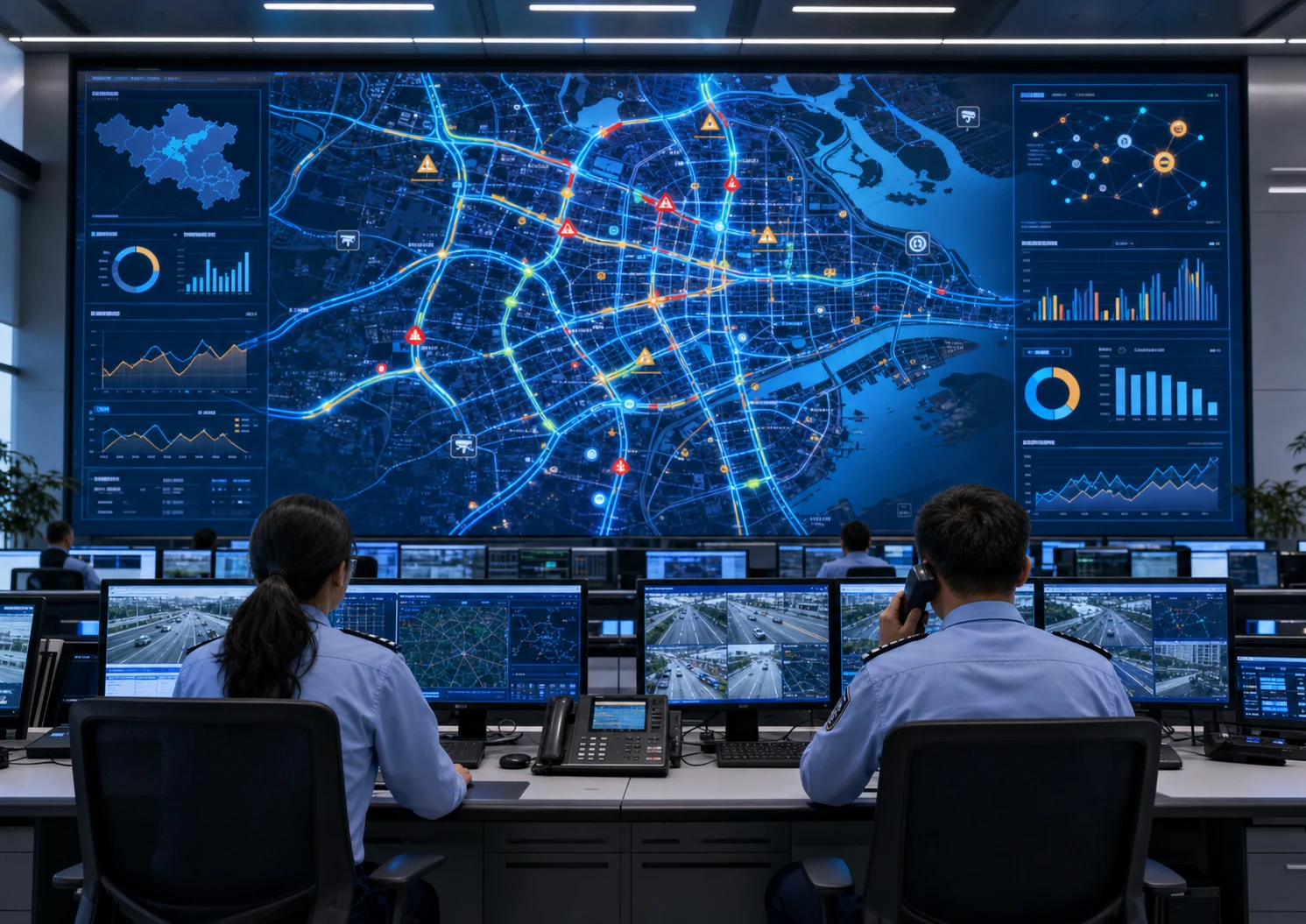
AI traffic governance platform for event detection, intersection diagnosis, signal optimization, coordinated response and outcome assessment
Overview
The AI Traffic Governance Platform combines video AI analysis with multi-source traffic data governance across video, radar, signal control, intersection registries, and historical incidents. It supports event detection, intersection assessment, signal optimization, assisted violation discovery, coordinated response, and outcome validation.
Core Capabilities
- AI automatic traffic event detection and alerting
- Intelligent signal optimization and green wave control
- Automated violation evidence and push
- Situational analysis and governance decision support
Governance Loop
- Maintain one registry for intersections, devices, signal plans, violations, and incidents
- Use metrics and models to identify high-risk sites and abnormal trends continuously
- Track recommendations, responsible teams, execution progress, and field feedback
- Validate real-world outcomes through simulation, observation windows, and data comparison
System & Scenario Evidence
Frequently Asked Questions
Direct answers covering use cases, core capabilities, and delivery.
What is AI traffic governance?
AI traffic governance brings video recognition, intersection registries, radar, signal control, violation, and incident data into one platform for continuous discovery, diagnosis, planning, coordinated execution, and outcome assessment.
Which data can an AI traffic governance platform use?
Depending on project conditions, the platform can integrate video, enforcement cameras, radar, signal control, road registries, violations, incidents, weather, and field-response data while aligning time, location, and metric definitions.
How are traffic governance outcomes evaluated?
Safety, efficiency, and order can be compared before and after intervention by intersection, corridor, or area. Simulation, observation windows, incident trends, and field feedback provide evidence for recurring reports.
From Field Problems to Executable Scenarios
Platforms, equipment, and data are organized around real workflows, so every capability maps to a concrete operation and delivery outcome.
Intersection Diagnosis from Existing Data
Intersection registries, radar, signals, enforcement cameras, and channelization data are normalized to evaluate individual intersections, corridors, and wider areas.
- Multi-source access
- Intersection scoring
- Corridor analysis
- Data standardization
Risk Detection Connected to Actionable Plans
The platform analyzes violations, signal conflicts, channelization risks, and area-wide patterns, then supports signal, organization, and field-governance recommendations.
- Violation analysis
- Signal conflict review
- Channelization risks
- Plan generation
Alerts Connected to Field Response
Accidents, road debris, and adverse-weather risks can enter the command workflow, activate field equipment and officers, and return the final result to the platform.
- Automatic detection
- Command dispatch
- Field protection
- Closed-loop review
Recurring Assessment with Before-and-After Validation
Weekly, monthly, or campaign reports compare safety, efficiency, and order before and after intervention across intersections, corridors, and areas, making decisions traceable and outcomes reviewable.
- Recurring reports
- Before-and-after comparison
- Issue tracking
- Cross-department review
How the Solution Lands
From scope and data interfaces to integration testing and acceptance, every project follows a traceable and maintainable delivery path.
Data Assessment
Review intersection records, sensors, signals, and historical incidents.
Model Configuration
Configure metrics, risk rules, algorithms, and access control.
Pilot Validation
Test diagnosis, optimization, simulation, and field results at representative sites.
Routine Governance
Generate recurring evaluation reports and improvement recommendations.
Project References & Solution Evidence
Based on Hanxing project materials, solution documents, and application scenarios. Sensitive customer information is intentionally omitted from the public site.
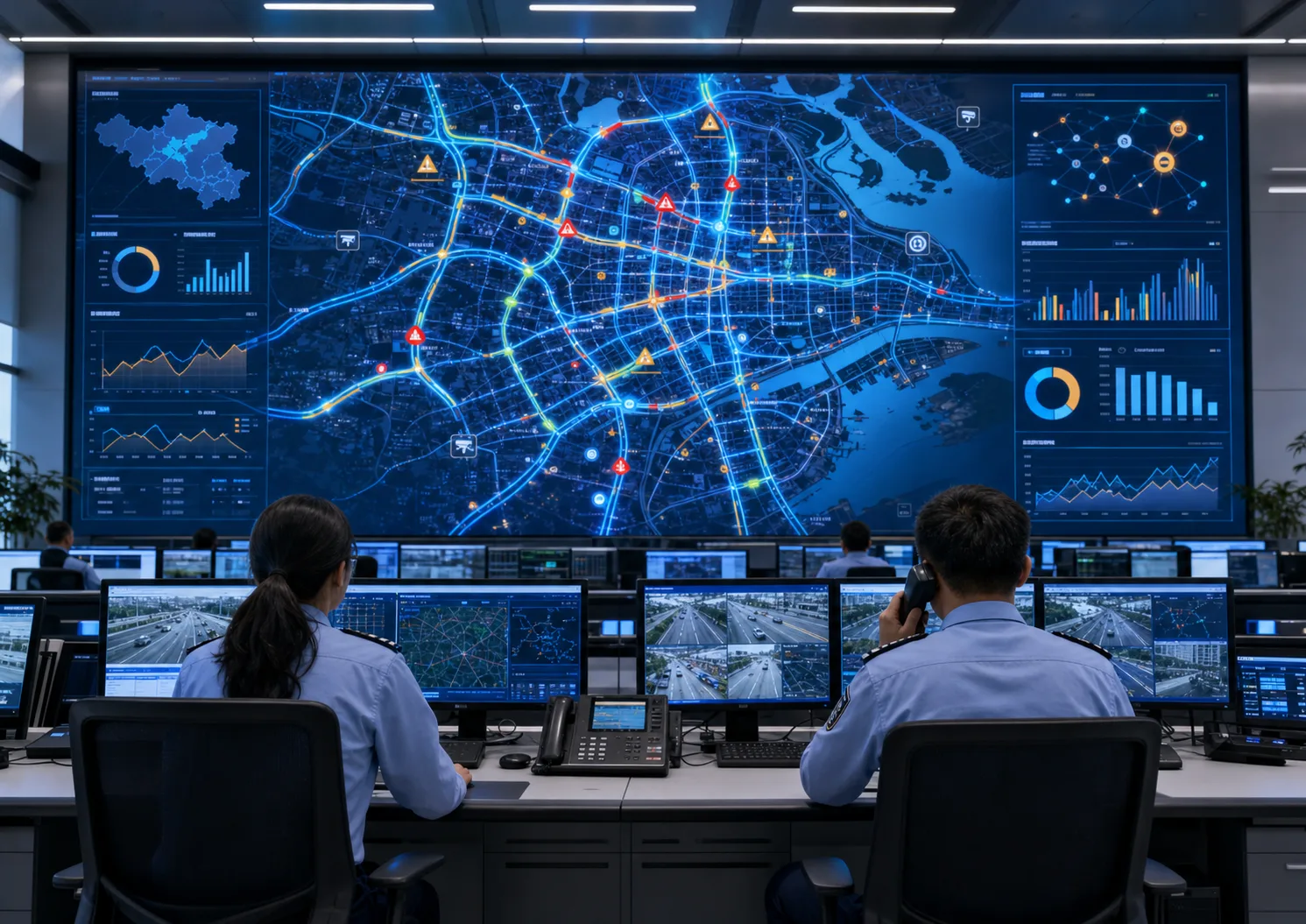
Intersection Diagnosis and Signal Optimization
Safety, traffic efficiency, and data value are connected through a single workflow for diagnosis, plan generation, execution, and outcome verification.
Based on the Hanxing Traffic AI Governance solution
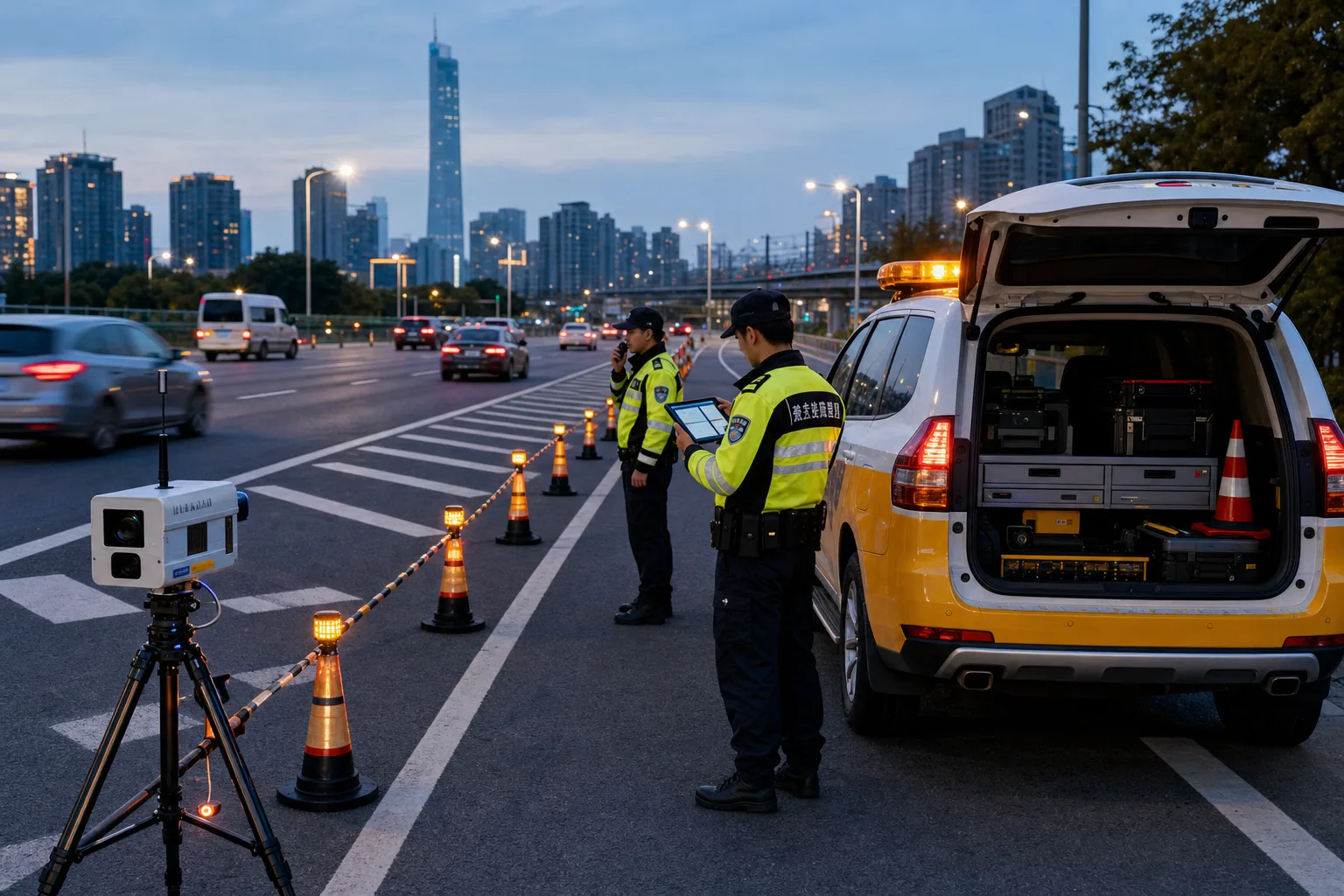
Intelligent Patrol and Incident Protection
Smart cones, robots, and other field devices extend coverage to sudden events and high-risk roads that fixed cameras cannot fully observe.
Based on Hanxing intelligent traffic patrol materials
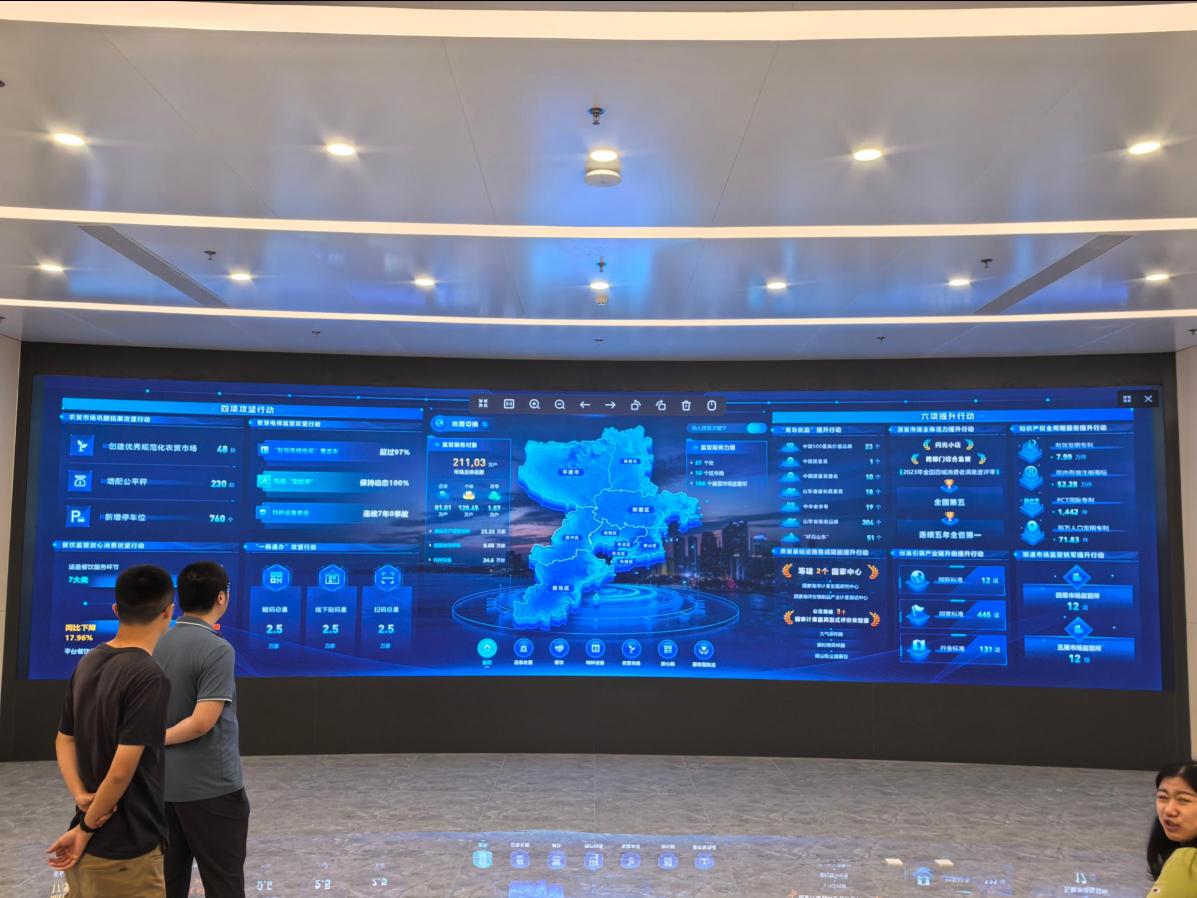
Hangzhou's New Model for Digital Transport Enforcement
A public Ministry of Transport case describes automated data collection, intelligent comparison, violation alerts, and off-site evidence workflows, providing an industry reference for AI governance and coordinated online-offline operations.
Ministry of Transport public material · Not a Hanxing customer caseRecommended Bundle
AI application modules that can be extended from this platform, or deployed standalone.
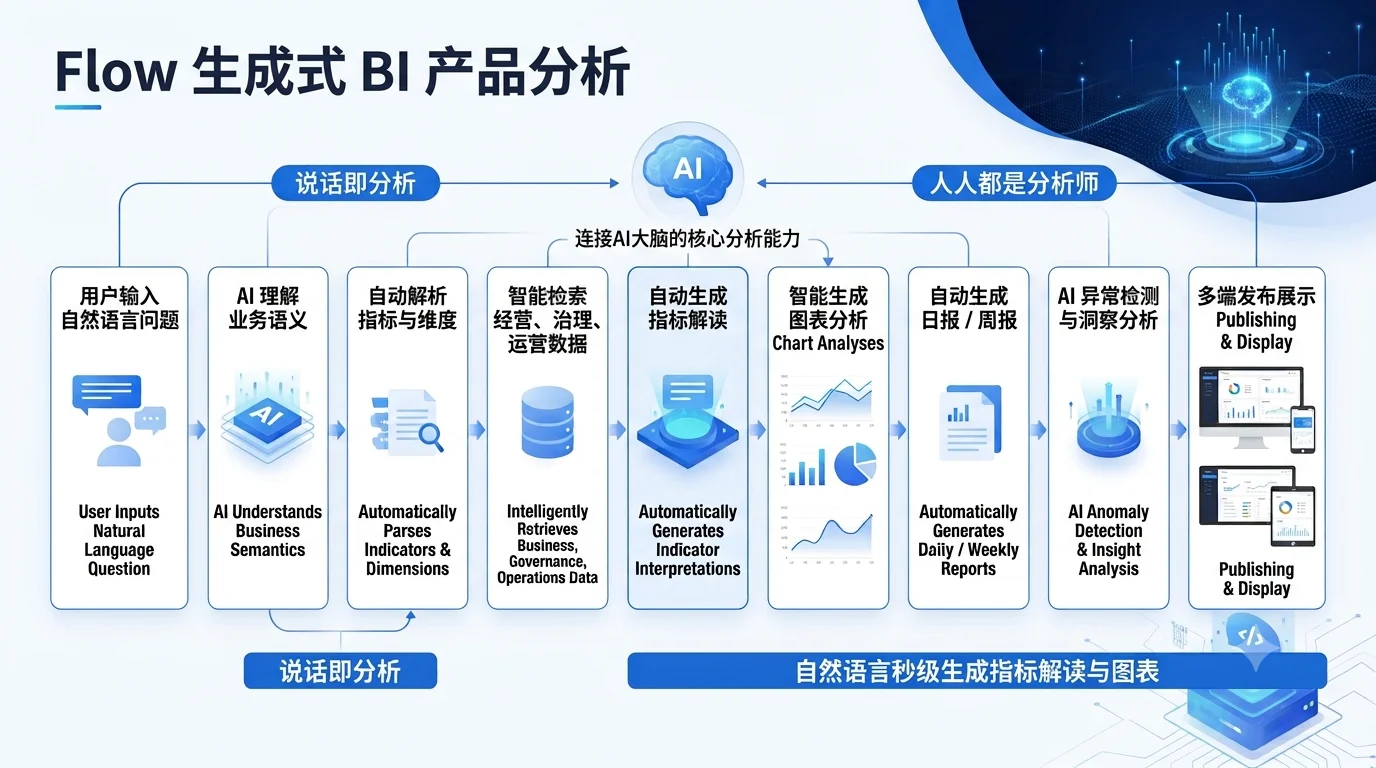
Generative BI
Natural-language analytics, governed metric semantics, dynamic visualization, and multi-device publishing
Learn More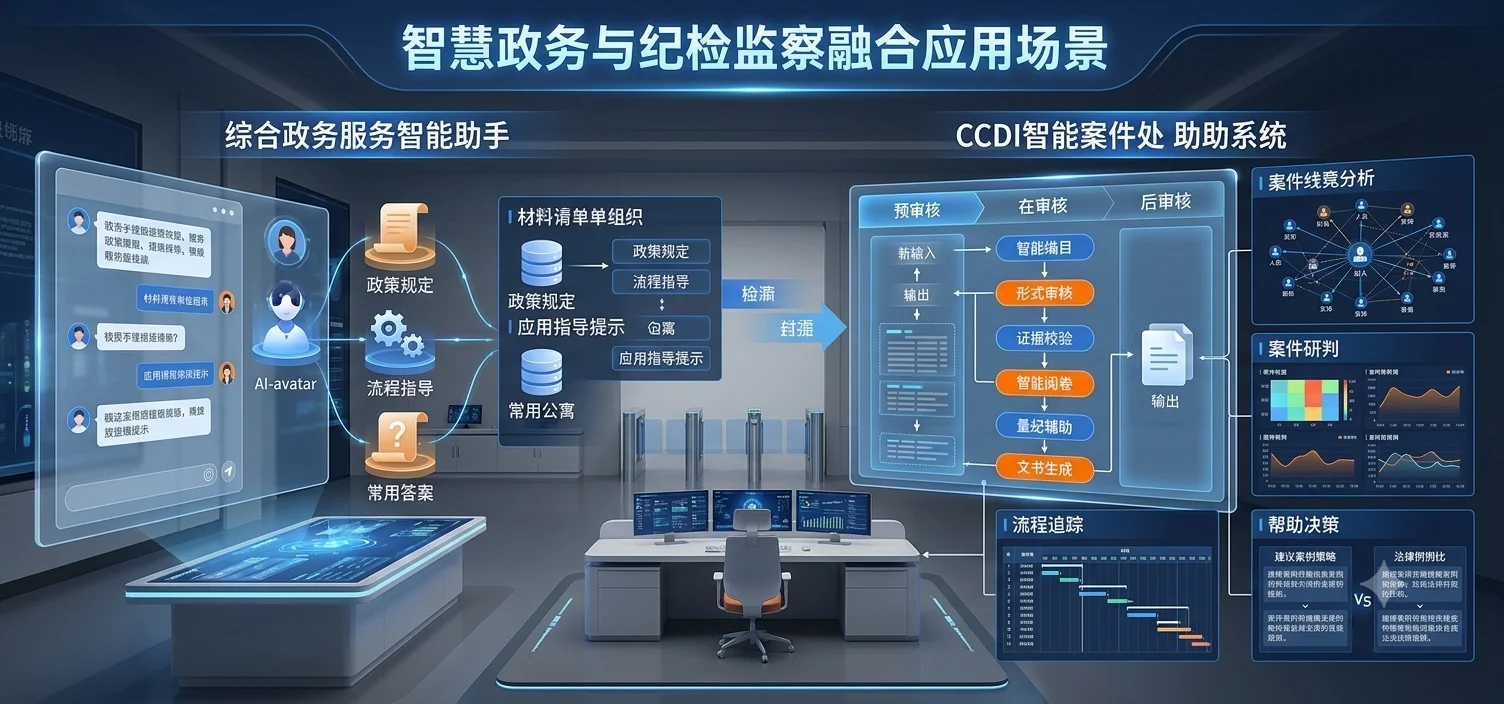
Government Service AI Assistant
Smart guidance, material pre-review, assisted form filling, and coordinated service routing across online and offline channels
Learn More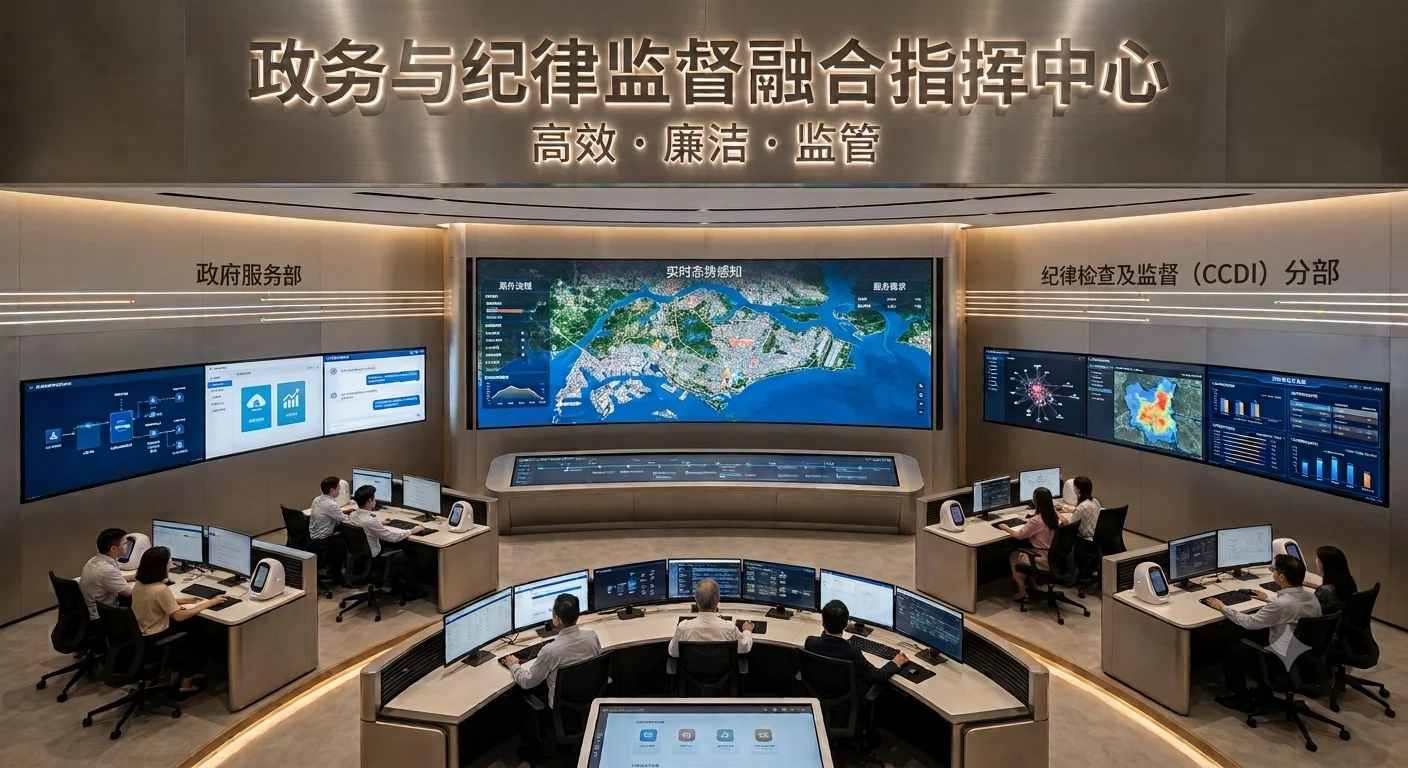
Discipline Inspection AI Assistant
Assisted case work covering smart indexing, evidence verification, intelligent review, document drafting, similar-case retrieval, and disciplinary disposition reference
Learn MoreStart Your Digital Transformation Journey
Start with business goals and field constraints, then build an implementable, testable, and maintainable solution.
Contact Us